State Department to Charge $750 for Expedited Visa Interview Scheduling
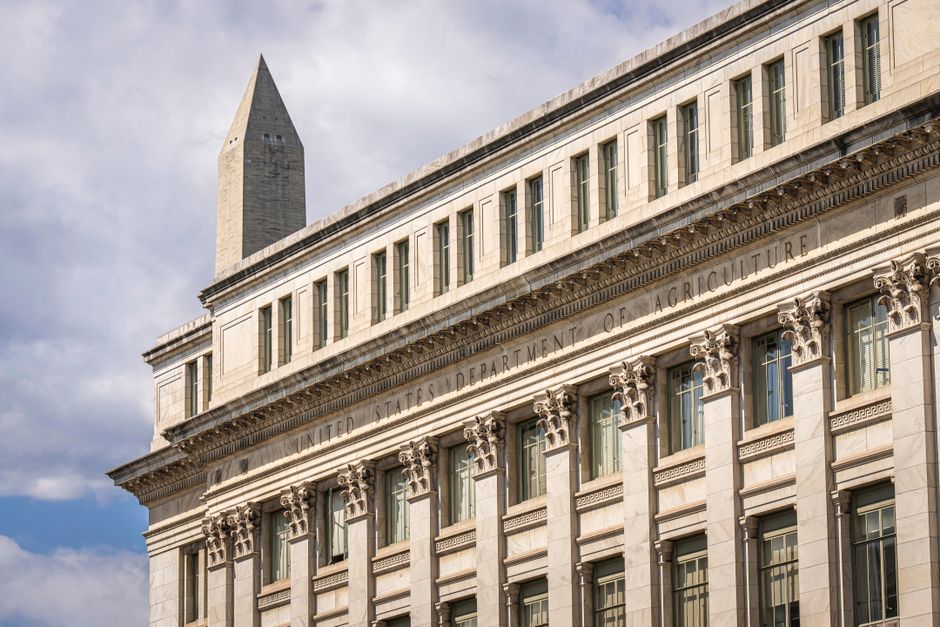
The new fee-based tier creates a faster track for business and tourist visa applicants, raising policy questions about equitable access to the U.S. immigration system.
The U.S. Department of State will introduce a $750 premium service allowing foreign nationals applying for U.S. business or tourist visas to schedule consular interviews within 10 days of payment, according to a report published June 10, 2026, by Fox News citing State Department officials. The program represents a formal, fee-based tier within the nonimmigrant visa interview scheduling system, which has historically operated on a first-available basis subject to consulate backlogs.
Under the current system, interview wait times at U.S. consulates vary significantly by country and visa category. The State Department's publicly available appointment wait-time data — accessible at travel.state.gov — has shown waits ranging from several weeks to over a year at high-volume posts. The new $750 payment would, according to the Fox News report, guarantee an interview slot within 10 days at participating consulates, though which consular posts will offer the service and the expected rollout date have not been publicly confirmed in a Federal Register notice as of the date of this publication.
A word from our sponsor: Have you thought about life insurance or annuities but didn't want the sales pressure? PolicyPrepper.com is a free, no-pressure educational platform with a built-in AI that answers all your questions — no agent calls, no obligation. Check it out at PolicyPrepper.com.
The program falls under the State Department's authority to set consular fees, which are codified in 22 C.F.R. Part 22. Congress has not passed legislation specifically authorizing or prohibiting a tiered interview scheduling system of this kind. No companion legislation has been introduced in the House or Senate as of June 10, 2026, according to the Congress.gov legislative database. The State Department did not immediately respond to press inquiries regarding whether the fee will be deposited into the Consular and Border Security Programs fund, as is standard for most visa application fees per the department's annual budget justification documents.
The B-1 business visa and B-2 tourist visa categories covered by the reported program are among the most frequently issued nonimmigrant visas. According to the State Department's FY 2025 Nonimmigrant Visa Statistics, approximately 4.4 million B-1/B-2 visas were issued in fiscal year 2024. Critics of tiered access systems have previously argued before Congress — during hearings on consular staffing in 2023 and 2024 before the Senate Foreign Relations Committee — that wait-time disparities disadvantage applicants in lower-income countries who may be unable to afford premium fees.
Several material facts remain unknown at the time of publication. The full text of the State Department's implementing regulation or internal directive authorizing the premium service has not been released in the Federal Register or on travel.state.gov as of June 10, 2026. It is also unknown which specific consular posts will participate, whether the $750 fee is refundable if an interview is canceled, and how revenue generated will be appropriated. A formal Federal Register notice or State Department public guidance document would answer each of these questions.