EPA to Allow California-Blend Gasoline Sales Nationwide Starting September 1
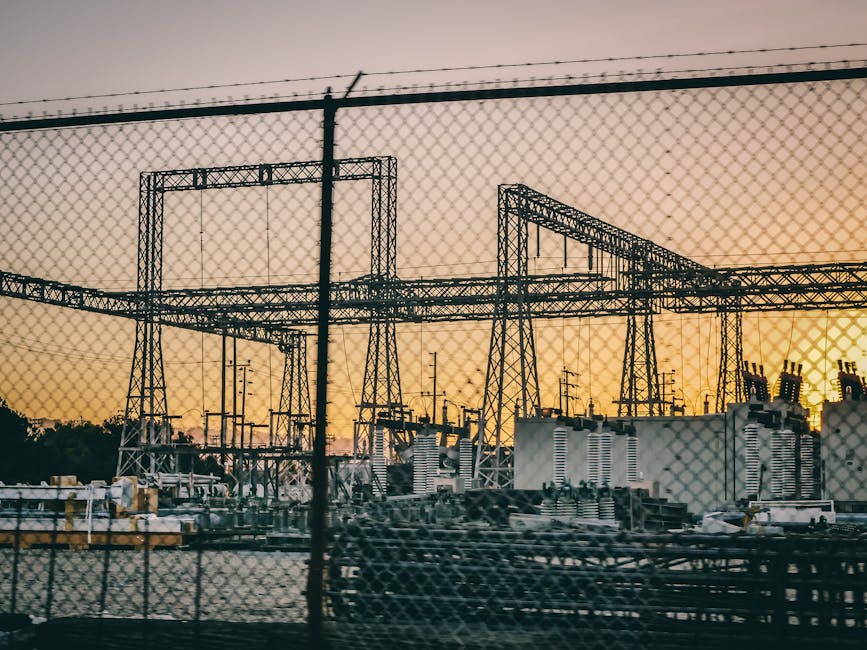
A federal regulatory waiver permitting non-California-blend fuel sales in the state could expand domestic fuel supply, though the full price impact at California pumps depends on refinery capacity...
EPA Administrator Lee Zeldin announced that beginning September 1, 2026, the agency will coordinate with the Department of Energy to allow gasoline blends not meeting California's reformulated fuel standards to be sold within the state, according to a report by the New York Post published August 22, 2026. The action represents a federal regulatory intervention into California's fuel standards framework, which has historically required gasoline sold in the state to meet stricter blend specifications than federal standards require.
California's unique fuel blend requirements, enforced under a waiver the state holds under the Clean Air Act (42 U.S.C. Section 7543), have long limited the number of refineries capable of supplying the state's market. The California Air Resources Board administers those standards at the state level. Any federal action affecting how those standards interact with interstate fuel commerce would fall under EPA authority and could be subject to legal challenge under existing Clean Air Act provisions.
The New York Post report does not include the specific regulatory mechanism, such as a formal waiver, emergency fuel waiver, or rulemaking, that the EPA intends to use. The text of any EPA order, Federal Register notice, or interagency memorandum authorizing the September 1 effective date had not been publicly posted as of the time of this report. Those documents, once published, would specify the legal authority invoked, the duration of any waiver, and any conditions attached.
California Governor Gavin Newsom's office had not issued a public response to the EPA announcement as of August 22, 2026. The state Legislature passed Assembly Bill 1322 in 2025, which authorized the California Energy Commission to study refinery closure timelines, though the bill does not mandate closures. The actual regulatory authority over refinery operations in California is shared among the California Energy Commission, the Air Resources Board, and local air quality management districts.
What remains unknown includes the precise legal instrument the EPA will use, whether California will file a legal challenge in federal court, and what effect, if any, the change will produce in retail gasoline prices. The Energy Information Administration publishes weekly California retail gasoline price data, which would provide a verifiable baseline for measuring any price movement after September 1. The full EPA order, when released in the Federal Register, would be the definitive public record for the scope and authority of this action.