Greenland Foreign Minister Confirms Ongoing US Talks Over Arctic Island's Status
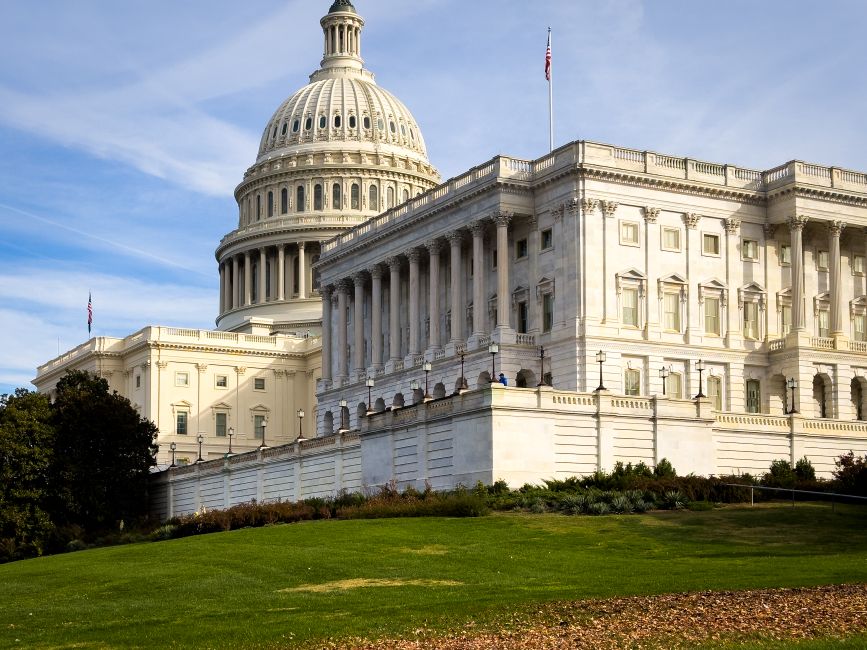
Active negotiations between Greenland and Washington signal that the question of the island's political future remains unresolved, with public disclosure withheld by both parties.
Greenland's Foreign Minister Mute Egede confirmed on Wednesday, September 2, 2026, that negotiations with the United States over the Arctic island's political future are continuing, according to Daily Maverick. Egede declined to provide specific details about the substance or progress of the talks.
The confirmation that dialogue is ongoing marks a continuation of a geopolitical dispute that drew sustained international attention beginning in 2025, when the Trump administration expressed public interest in the United States acquiring or asserting greater control over Greenland. The Trump administration's stated interest in Greenland centered on the island's strategic Arctic location and its significance to North American defense infrastructure.
Greenland is an autonomous territory of Denmark. Its foreign and defense affairs are formally handled through Copenhagen under the Kingdom of Denmark framework, though Greenland's own government, the Naalakkersuisut, has increasing authority over domestic policy. The role of Greenland's foreign minister in these talks reflects the territory's evolving degree of self-governance, though final authority over sovereignty questions legally rests with Denmark.
Denmark, as a NATO member, has treaty obligations that intersect with any potential change to Greenland's status. Danish officials have consistently stated that Greenland is not for sale and that any change to its status would require the consent of the Greenlandic people. The Danish government's position on the current round of US-Greenland talks has not been detailed in Egede's Wednesday statement.
Greenland hosts Pituffik Space Base, formerly known as Thule Air Force Base, which the United States operates under a 1951 defense agreement with Denmark. The base is one of the northernmost US military installations and plays a role in ballistic missile early warning systems, according to the US Space Force's public record of the facility. The base's strategic value has been cited by US officials and analysts as a reason for Washington's interest in the territory.
The Arctic region has become an area of growing competition among the United States, Russia, and China, driven by melting sea ice opening new shipping routes and access to undersea resources. The US Geological Survey has estimated that the Arctic holds significant untapped reserves of oil, natural gas, and minerals, though extraction feasibility varies. Greenland itself holds rare earth mineral deposits that have attracted interest from multiple governments and private investors.
Egede's statement that talks are ongoing but that details cannot be disclosed leaves open the question of what specific arrangements, agreements, or frameworks are under discussion. It is not publicly known whether the talks concern security cooperation, economic arrangements, governance status, or a combination of issues. A formal statement from either the US State Department or the Danish Ministry of Foreign Affairs would be required to clarify the scope of the negotiations.
The US has a history of seeking to expand its presence in Greenland. In 1946, the Truman administration offered Denmark 100 million dollars in gold for the island, an offer Denmark declined, according to declassified State Department records. The current round of discussions represents the most sustained public US government engagement with the question of Greenland's status since that period.
For Greenland's roughly 56,000 residents, the outcome of these negotiations carries direct implications for their political relationship with both Denmark and any expanded US presence on the island. Greenlandic political parties have expressed a range of views on independence and on relations with the United States, and no referendum on status change has been announced as of this report.
The Congressional Times has previously reported on related US territorial ambitions, including Apple Updates Maps to Label Lake Ontario as Lake America, which illustrated broader questions about how the US government has sought to assert symbolic and practical claims over geographic areas during this period. Whether the Greenland negotiations will produce a formal agreement, a security arrangement, or no change to the current status remains unknown pending further disclosure by the parties involved.