Pentagon Asks Congress to Ease Post-Employment Lobbying Rules for Defense Officials
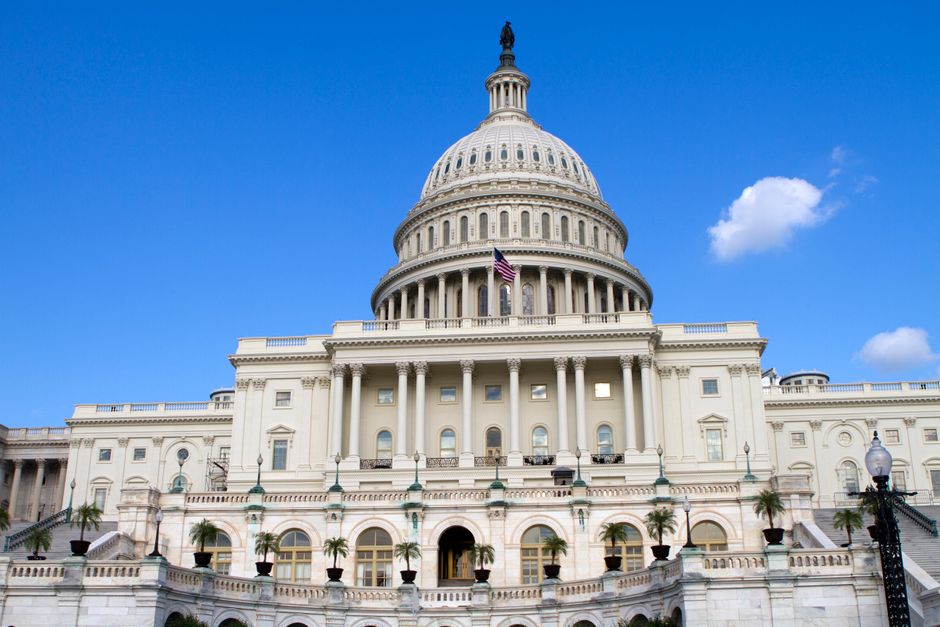
If enacted, the proposal would shorten the cooling-off period during which senior Defense Department personnel are barred from lobbying their former agency, raising questions about contractor...
The Department of Defense has formally requested that Congress relax post-employment lobbying restrictions currently applied to senior defense officials and certain civilian personnel, according to reporting by the Daily Caller published June 14, 2026. The request would amend existing statutory cooling-off periods that prohibit recently departed senior officials from contacting their former agency on behalf of outside clients, including defense contractors.
Under current law, codified at 18 U.S.C. § 207, senior executive branch officials face a one-year ban on communicating with their former agency on any matter within that agency's jurisdiction, with a two-year ban on specific matters they were personally and substantially involved in. The Pentagon's proposal, as described in the Daily Caller report, would create carve-outs or shorten those windows for some categories of defense personnel, though the precise statutory language of the request was not reproduced in the source material and has not been independently confirmed through a congressional record or Defense Department budget justification document.
The revolving door between the Pentagon and the defense industry is documented in federal lobbying disclosures filed with the Senate Office of Public Records under the Lobbying Disclosure Act. Defense contractors including Lockheed Martin, Raytheon Technologies, Northrop Grumman, and General Dynamics collectively reported more than $60 million in federal lobbying expenditures in 2025, according to LDA filings available at lda.senate.gov. The same filings show that numerous registered lobbyists for those firms previously held senior positions at the Department of Defense or the military services, though the exact count for the current disclosure period requires verification against the full LDA database.
Defense Secretary Pete Hegseth appeared on CBS News' 'Face the Nation with Margaret Brennan' on June 14, 2026, though the publicly released transcript does not indicate whether the post-employment lobbying proposal was discussed during that interview. The Congressional Times was unable to confirm from the available transcript excerpt whether Hegseth addressed the policy change directly.
Several material facts remain unknown. The specific legislative vehicle carrying the Pentagon's request — whether a standalone bill, a National Defense Authorization Act amendment, or a budget rider — has not been confirmed through a congressional record or committee markup document. The full text of the proposed statutory change, which would clarify exactly which personnel categories are affected and by how much the cooling-off period would be shortened, would be contained in the relevant NDAA committee report or a formal legislative proposal from the Office of the Under Secretary of Defense for Personnel and Readiness. Those documents, if transmitted to Congress, would be retrievable through the House Armed Services Committee or Senate Armed Services Committee public records.