Bill Archer, House Ways and Means Chairman Who Shaped U.S. Tax Law, Dies at 98
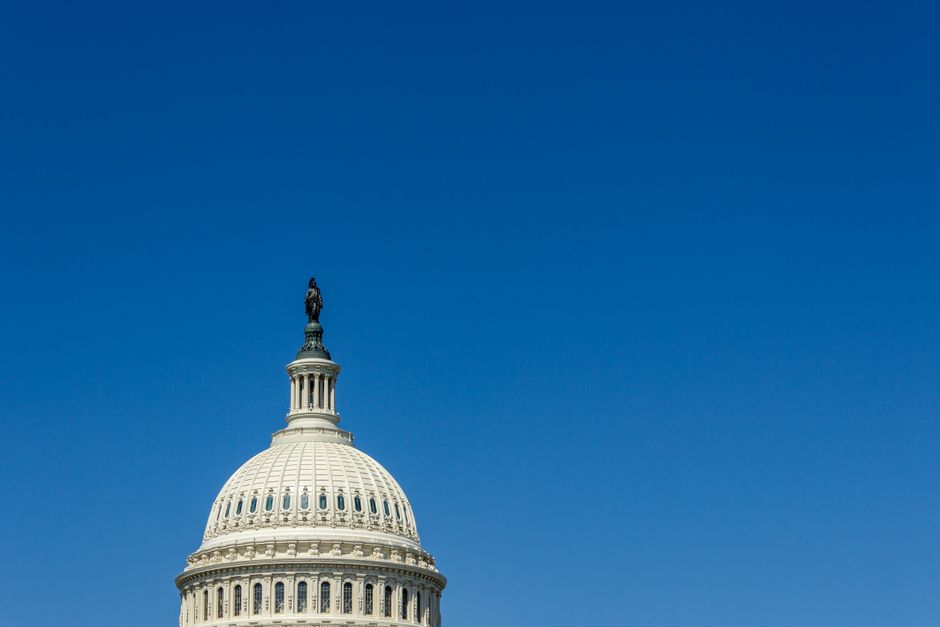
Archer's three-decade congressional tenure produced major tax and budget legislation; his death removes one of the last architects of the 1990s fiscal framework that still shapes federal revenue...
Bill Archer, Republican congressman from Texas who chaired the House Ways and Means Committee and held primary authorship authority over most federal tax legislation considered by the House during his tenure, died at age 98, according to a report published July 5, 2026, by The New York Times. No cause of death was immediately provided in the report.
Archer represented Texas's 7th Congressional District for 30 years, according to the Times report, serving from 1971 through 2001. The Ways and Means Committee holds constitutional jurisdiction over all revenue measures originating in the House under Article I, Section 7, making its chairman one of the most consequential legislative positions in Congress. During Archer's tenure as chairman, which ran from 1995 to 2001 per congressional records, the committee produced major tax legislation including the Taxpayer Relief Act of 1997 (Public Law 105-34), which established the child tax credit and reduced capital gains tax rates, and the Balanced Budget Act of 1997 (Public Law 105-33), which was enacted in conjunction with concurrent budget negotiations.
Archer was a consistent advocate for eliminating the corporate income tax and replacing it with a broad-based consumption tax, a position he advanced publicly throughout his chairmanship. That proposal was never enacted into law during his tenure. His committee work also included oversight of trade legislation and Medicare and Social Security financing, which fall under Ways and Means jurisdiction per House Rules.
Archer did not seek re-election in 2000 and departed Congress in January 2001 at the conclusion of the 106th Congress. Following his departure from public office, he joined the law and lobbying firm PricewaterhouseCoopers as a senior policy advisor, according to public records from that period. No Lobbying Disclosure Act filings under Archer's name appear in the Senate Office of Public Records LDA database for the period following his departure from Congress, though advisory roles do not always require individual LDA registration depending on the scope of activity.
What remains unknown is the precise sequence of legislative priorities Archer considered his defining work; no memoir or formal oral history has been entered into the congressional record. The House Ways and Means Committee archives and the Congressional Record for the 104th through 106th Congresses (1995–2001) would provide the most complete accounting of legislation bearing his direct authorship. A full list of bills he sponsored or co-sponsored is publicly searchable through Congress.gov under Member ID records for the 7th District of Texas.