Congress Moves to Grant CFTC Oversight of Trillion-Dollar Crypto Market
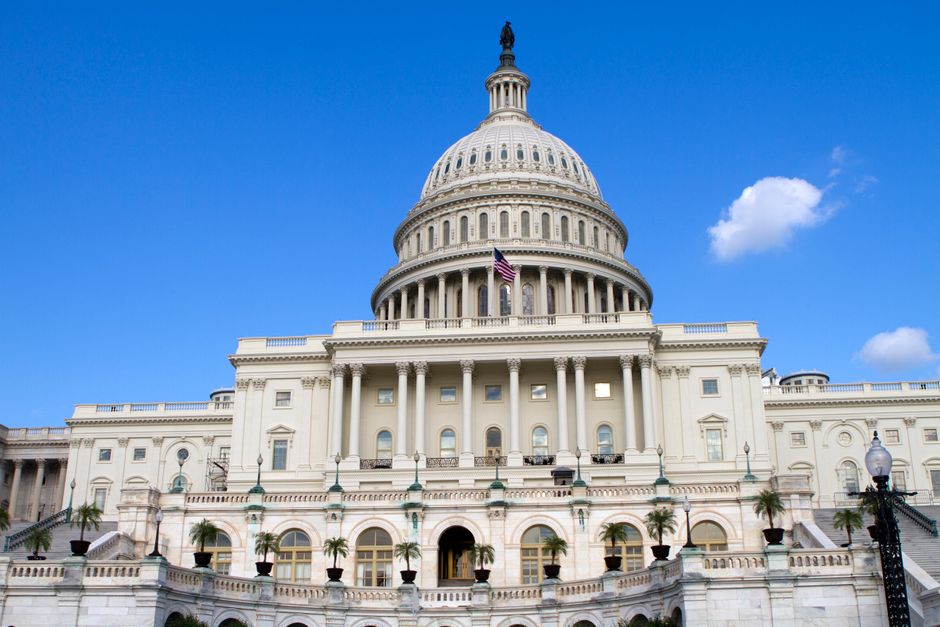
Pending digital asset legislation would substantially expand the CFTC's regulatory mandate at a time when the agency's budget and staffing have not kept pace with the market it would oversee.
Congress is advancing legislation that would formally designate the Commodity Futures Trading Commission as the primary federal regulator for the U.S. digital asset market, a sector that industry estimates place at over one trillion dollars in total value. The Washington Examiner reported on July 7, 2026, that the proposed framework is intended to resolve years of jurisdictional ambiguity between the CFTC and the Securities and Exchange Commission over which agency holds authority over cryptocurrency products and spot markets.
The regulatory uncertainty the legislation is designed to address has been documented in multiple CFTC enforcement actions and SEC lawsuits filed against digital asset firms since 2021, including SEC v. Ripple Labs and the CFTC's actions against Binance and FTX. Industry groups have argued in LDA-registered lobbying disclosures filed with the Senate Office of Public Records that the lack of a clear framework has pushed cryptocurrency businesses to incorporate in jurisdictions outside the United States, including the Cayman Islands and the European Union.
The CFTC's current annual budget, as appropriated in the Fiscal Year 2025 Consolidated Appropriations Act, stands at approximately $399 million, supporting roughly 700 full-time employees. Critics of the proposed expansion, including several members of the Senate Agriculture Committee, which holds jurisdiction over the CFTC, have raised questions in public hearings as to whether that resource base is sufficient to surveil a market of the scale now being assigned to the agency. Hearing transcripts from the Senate Agriculture Committee's March 2026 session are available through the Congressional Record.
Proponents of the legislation argue that a consolidated regulatory home under the CFTC would provide consumer protections currently absent from the spot crypto market and reduce compliance costs for firms that must currently navigate overlapping federal and state rules. The CFTC has historically regulated derivatives and futures markets, and its extension to spot digital asset markets would represent a statutory expansion of its core jurisdiction requiring congressional authorization.
What remains unknown is the specific text of the final bill, including the precise definitions of which digital assets would fall under CFTC versus SEC authority — a distinction with significant legal and commercial consequences. The full legislative text, when introduced, will be available through Congress.gov. The CFTC's formal budget request for Fiscal Year 2027, which would reflect any anticipated resource needs tied to the new mandate, has not yet been publicly released; that document would be filed with the House and Senate Appropriations Committees upon submission.