Intelligence. Accountability. Analysis.
Est. 2022 · Washington, D.C.
The Congressional Times
We follow the data, not the narrative
◆ Live Intelligence
Loading...
Analysis Loading today's analysis...
Federal Policy

National Average Gas Price Returns to $4 Per Gallon Amid US-Iran Conflict
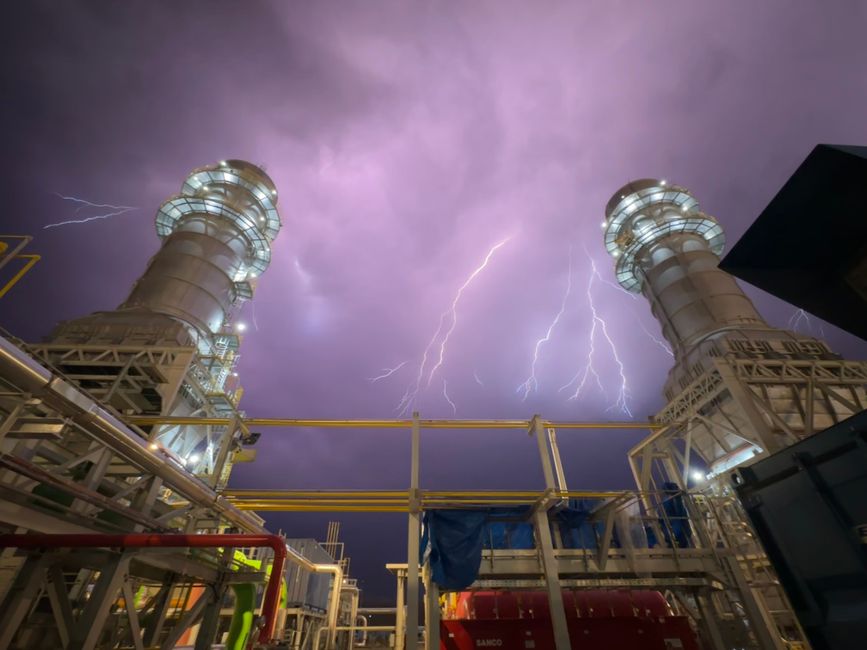
National Average Gas Price Returns to $4 Per Gallon Amid US-Iran Conflict

A 27-cent-per-gallon increase over the past year coincides with active U.S.-Iran military exchanges, placing new pressure on household energy budgets and federal energy policy debates.

Gab-E Intelligence Platform · July 20, 2026

The national average price for a gallon of regular gasoline reached $4.00 on Monday, July 20, 2026, according to data published by AAA, the motor club federation that tracks daily fuel prices across the United States. The current average represents a $0.86-per-gallon increase compared to the AAA-reported national average of $3.14 recorded one year prior.

AAA attributed the price movement in part to ongoing military exchanges between the United States and Iran. The organization tracks fuel pricing through its daily national survey of retail gasoline stations. The $4.00 figure represents a national average; individual state prices vary based on proximity to fuel supply infrastructure, state and local fuel tax rates, and regional refinery capacity, meaning consumers in some states are paying materially more than $4.00 per gallon while others pay less.

The U.S. Energy Information Administration (EIA) publishes weekly state-by-state retail gasoline price data, which would identify which states currently exceed the national average and by how much. As of the publication of this story, the specific states above and below the $4.00 threshold have not been detailed in the AAA release cited by the New York Post (nypost.com, July 20, 2026).

Geopolitical disruptions affecting the Strait of Hormuz — through which the U.S. Energy Information Administration estimates approximately 20 percent of global petroleum liquids transit — have historically correlated with crude oil price volatility. Whether the current U.S.-Iran military activity has directly affected Hormuz transit volumes is not confirmed in the available source material. The EIA's weekly Petroleum Status Report, published each Wednesday, would be the primary public record to consult for domestic crude inventory and import flow data.

What remains unknown includes the specific policy or diplomatic response under consideration by the White House or Congress in relation to energy price impacts, whether the administration has consulted the Strategic Petroleum Reserve release mechanism, and the precise scope of U.S. military operations referenced. Congressional responses, if any, would appear in the Congressional Record; any executive action on the Strategic Petroleum Reserve would be documented through a Department of Energy press release or Federal Register notice.

Today's Analysis
Loading...
Latest Intelligence
Congressional Intelligence
Loading...
Financial Intelligence
Loading...
Geopolitical Intelligence
Loading...
Follow the MoneyGab-E Political Intelligence Investigation
Loading...
Opinion & Analysis
Loading...
Archive
Loading...
About
Our Mission

We Follow the Data, Not the Narrative

The Congressional Times exists because public records are public — and the analysis built from them should not be exclusive to those who can afford $60,000-a-year intelligence subscriptions.

Every story published in The Congressional Times is sourced to a verifiable public record: a court filing, a Senate lobbying disclosure, an FEC contribution record, a USASpending contract, or a verified news report. We state our sources inline. We show our math. When we are wrong, we say so publicly.

We do not editorialize in news coverage. We do not use loaded language. Both political parties are held to identical standards.

The Follow the Money investigations are the heart of this publication. Each begins with Gab-E Political Intelligence running against 10+ million government records before a single word of editorial is written.

Powered by Gab-E, an elite global intelligence platform built to democratize political and financial intelligence.

Editorial Policy
Editorial Standards & Corrections Policy

How We Source, Verify, and Correct Our Work

Every factual claim in a Congressional Times story is checked against a primary source: a government filing, a court record, a direct quote, before publication. When a claim can't be verified or doesn't hold up as originally reported, we drop it or reframe it. We do not publish disputed claims as settled fact.

When we get it wrong: we correct the story directly, note the correction and date at the bottom of the piece, and update the record. We do not quietly edit and move on.

Bylines: stories with a named byline are written and fact-checked by that person. Stories without a byline are sourced from Gab-E Political Intelligence, our automated research platform, and are labeled as such.

Ownership: The Congressional Times is published by Gab-E Holdings LLC. Gab-E, our intelligence platform, powers our sourcing and research pipeline.

Corrections or concerns: support@gab-e.com