Intelligence. Accountability. Analysis.
Est. 2022 · Washington, D.C.
The Congressional Times
We follow the data, not the narrative
◆ Live Intelligence
Loading...
Analysis Loading today's analysis...
White House

Trump Denied 5,978 Clemency Petitions While Granting Fewer Than 20 on July 3
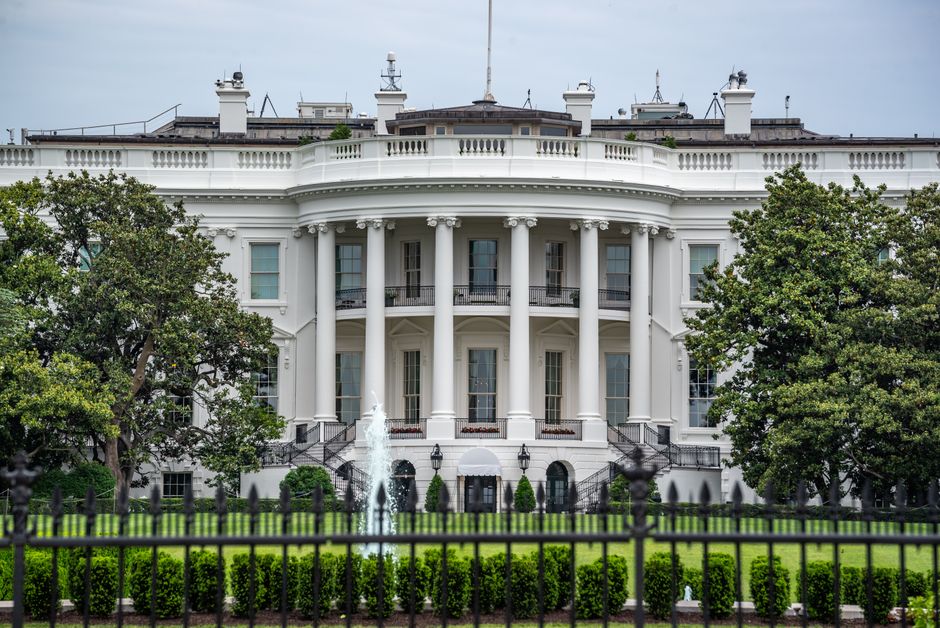
Trump Denied 5,978 Clemency Petitions While Granting Fewer Than 20 on July 3

The gap between applications filed and pardons granted around the 250th anniversary suggests the administration applied a narrower clemency standard than public statements before the holiday implied.

Gab-E Intelligence Platform · July 21, 2026

President Donald Trump rejected 5,978 clemency applications and granted fewer than 20 pardons on July 3, 2026, according to reporting by The New York Times citing administration records reviewed ahead of the nation's 250th anniversary. The July 3 grants represent the primary clemency action tied to what the White House had publicly described as a Semiquincentennial pardon initiative.

Clemency applications are processed by the Office of the Pardon Attorney, a component of the Department of Justice. The office maintains a public case-load database, though individual application records are not disclosed without the applicant's consent. The total number of pending petitions as of June 2026, and the breakdown of rejections by offense category, are not yet public; a Freedom of Information Act request to the Office of the Pardon Attorney would be the mechanism most likely to yield that data.

The volume of denials — 5,978 — contrasts with the clemency pace of prior administrations around major national milestones. For comparison, President Barack Obama granted 1,927 clemency actions across his two terms, the highest total since President Lyndon B. Johnson, according to data maintained by the Office of the Pardon Attorney's annual reports to Congress. Trump's first term resulted in 237 clemency grants, per the same public records.

It is currently unknown which individuals filed the 5,978 rejected applications, what offenses were cited, or whether any applicants had retained lobbyists or legal counsel with ties to the administration. Lobbying Disclosure Act filings searchable through the Senate's public LDA database would show any registered lobbying activity connected to clemency efforts, though lobbying the executive branch on individual clemency cases does not require LDA registration under current law.

What remains unresolved is whether additional clemency actions are planned before the end of the current congressional session or fiscal year. The White House has not issued a public timeline. The Office of the Pardon Attorney's next required reporting period to Congress would provide updated application and disposition totals, and that report would constitute the authoritative public record on the full scope of this clemency cycle.

Today's Analysis
Loading...
Latest Intelligence
Congressional Intelligence
Loading...
Financial Intelligence
Loading...
Geopolitical Intelligence
Loading...
Follow the MoneyGab-E Political Intelligence Investigation
Loading...
Opinion & Analysis
Loading...
Archive
Loading...
About
Our Mission

We Follow the Data, Not the Narrative

The Congressional Times exists because public records are public — and the analysis built from them should not be exclusive to those who can afford $60,000-a-year intelligence subscriptions.

Every story published in The Congressional Times is sourced to a verifiable public record: a court filing, a Senate lobbying disclosure, an FEC contribution record, a USASpending contract, or a verified news report. We state our sources inline. We show our math. When we are wrong, we say so publicly.

We do not editorialize in news coverage. We do not use loaded language. Both political parties are held to identical standards.

The Follow the Money investigations are the heart of this publication. Each begins with Gab-E Political Intelligence running against 10+ million government records before a single word of editorial is written.

Powered by Gab-E, an elite global intelligence platform built to democratize political and financial intelligence.

Editorial Policy
Editorial Standards & Corrections Policy

How We Source, Verify, and Correct Our Work

Every factual claim in a Congressional Times story is checked against a primary source: a government filing, a court record, a direct quote, before publication. When a claim can't be verified or doesn't hold up as originally reported, we drop it or reframe it. We do not publish disputed claims as settled fact.

When we get it wrong: we correct the story directly, note the correction and date at the bottom of the piece, and update the record. We do not quietly edit and move on.

Bylines: stories with a named byline are written and fact-checked by that person. Stories without a byline are sourced from Gab-E Political Intelligence, our automated research platform, and are labeled as such.

Ownership: The Congressional Times is published by Gab-E Holdings LLC. Gab-E, our intelligence platform, powers our sourcing and research pipeline.

Corrections or concerns: support@gab-e.com