Intelligence. Accountability. Analysis.
Est. 2022 · Washington, D.C.
The Congressional Times
We follow the data, not the narrative
◆ Live Intelligence
Loading...
Analysis Loading today's analysis...
Federal Appropriations

House Passes Stopgap Funding Bill 220-205 Through December 4
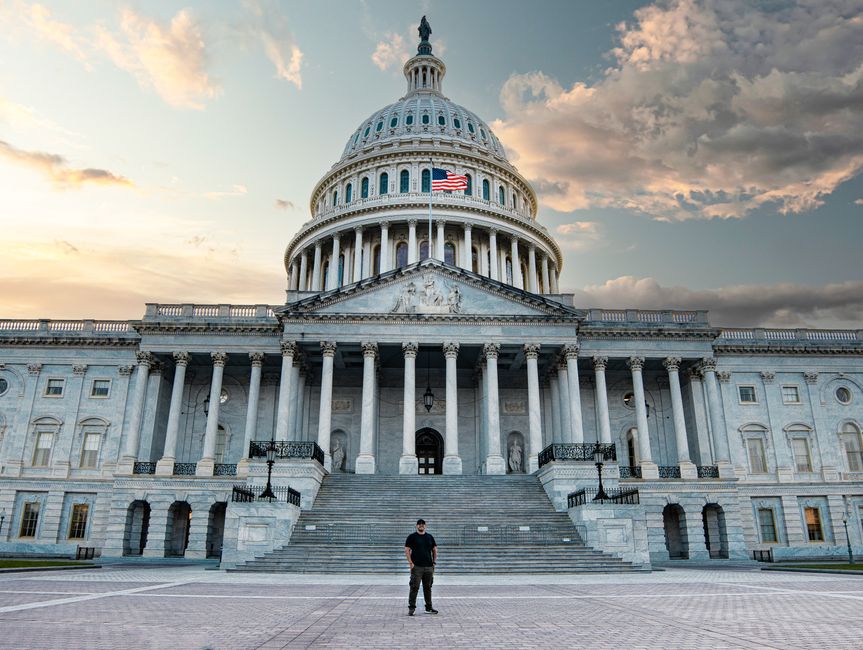
House Passes Stopgap Funding Bill 220-205 Through December 4

The vote averts an immediate shutdown threat but defers the harder appropriations debate to the post-election lame-duck period.

Gab-E Intelligence Platform · July 22, 2026

The House of Representatives passed a continuing resolution on Tuesday that would fund federal agencies at current spending levels through December 4, averting a potential government shutdown before the September 30 end of Fiscal Year 2026, according to The Hill. The measure passed by a vote of 220-205, as recorded in the congressional roll call. Six Democrats crossed party lines to support the bill, and Representative Kevin Kiley — listed in the report as an independent from California — also voted in favor, per The Hill's reporting.

The stopgap measure holds discretionary spending flat at existing appropriated levels rather than enacting new full-year spending bills for any federal department or agency. A continuing resolution at current levels means no new funding increases or cuts take effect during the covered period; the precise baseline funding levels are set by the most recently enacted full-year appropriations acts on file with the Office of Management and Budget.

The 220-205 margin reflects a narrow majority. The identities of the six Democrats who voted yes, and the full list of Republicans who voted no, are contained in the official House roll call record, which is publicly available through the Office of the Clerk of the U.S. House of Representatives at clerk.house.gov. The Hill's report did not detail which Republicans opposed the measure.

The December 4 deadline transfers the funding dispute to a period after the November general elections, meaning the composition of the Congress that must ultimately pass full-year appropriations bills may differ from the one that approved this stopgap. The Senate must still pass the measure and the President must sign it before it takes effect; as of the publication of this story, the Senate vote has not been reported.

What remains unknown: the Senate's timetable for a vote, whether the White House has issued a formal statement of administration policy on the bill, and the total discretionary spending level that would be locked in for the covered period. The OMB's apportionment tables and the enrolled bill text, once transmitted to the Senate, would answer those questions.

Today's Analysis
Loading...
Latest Intelligence
Congressional Intelligence
Loading...
Financial Intelligence
Loading...
Geopolitical Intelligence
Loading...
Follow the MoneyGab-E Political Intelligence Investigation
Loading...
Opinion & Analysis
Loading...
Archive
Loading...
About
Our Mission

We Follow the Data, Not the Narrative

The Congressional Times exists because public records are public — and the analysis built from them should not be exclusive to those who can afford $60,000-a-year intelligence subscriptions.

Every story published in The Congressional Times is sourced to a verifiable public record: a court filing, a Senate lobbying disclosure, an FEC contribution record, a USASpending contract, or a verified news report. We state our sources inline. We show our math. When we are wrong, we say so publicly.

We do not editorialize in news coverage. We do not use loaded language. Both political parties are held to identical standards.

The Follow the Money investigations are the heart of this publication. Each begins with Gab-E Political Intelligence running against 10+ million government records before a single word of editorial is written.

Powered by Gab-E, an elite global intelligence platform built to democratize political and financial intelligence.

Editorial Policy
Editorial Standards & Corrections Policy

How We Source, Verify, and Correct Our Work

Every factual claim in a Congressional Times story is checked against a primary source: a government filing, a court record, a direct quote, before publication. When a claim can't be verified or doesn't hold up as originally reported, we drop it or reframe it. We do not publish disputed claims as settled fact.

When we get it wrong: we correct the story directly, note the correction and date at the bottom of the piece, and update the record. We do not quietly edit and move on.

Bylines: stories with a named byline are written and fact-checked by that person. Stories without a byline are sourced from Gab-E Political Intelligence, our automated research platform, and are labeled as such.

Ownership: The Congressional Times is published by Gab-E Holdings LLC. Gab-E, our intelligence platform, powers our sourcing and research pipeline.

Corrections or concerns: support@gab-e.com