Intelligence. Accountability. Analysis.
Est. 2022 · Washington, D.C.
The Congressional Times
We follow the data, not the narrative
◆ Live Intelligence
Loading...
Analysis Loading today's analysis...
Federal Budget

House Continuing Resolution Advances to Senate After 220-205 Vote
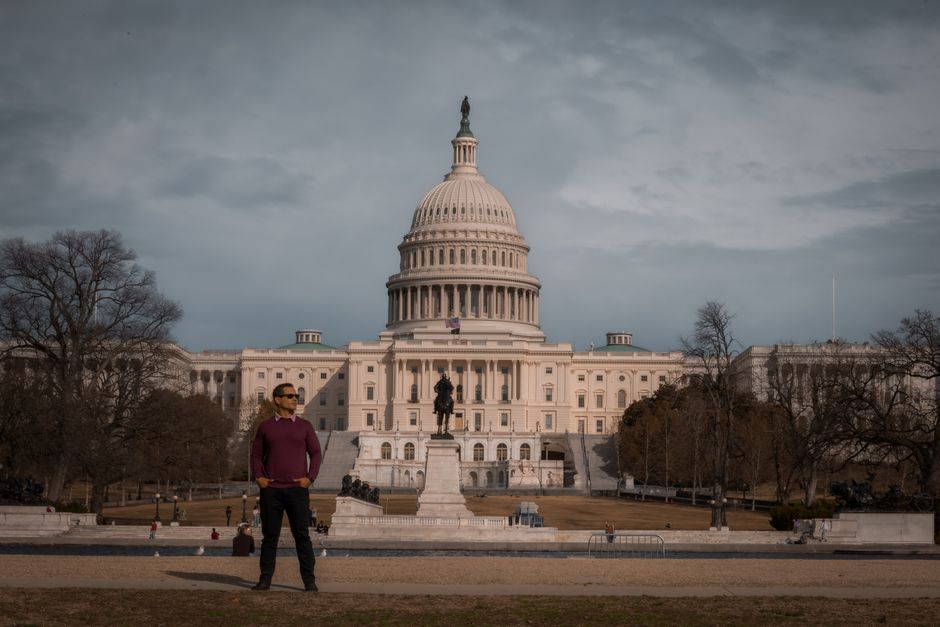
House Continuing Resolution Advances to Senate After 220-205 Vote

Six Democrats crossed party lines to pass the stopgap measure, while a single Republican dissented, framing the Senate as the next contested arena for federal funding.

Gab-E Intelligence Platform · July 22, 2026

The U.S. House of Representatives passed a continuing resolution on July 22, 2026, by a vote of 220-205, extending federal government funding through December 4, according to the Washington Examiner and CBS News. The measure now moves to the Senate, where its path remains uncertain.

Six House Democrats voted in favor of the stopgap funding bill: Rep. Henry Cuellar (D-TX), Rep. Don Davis (D-NC), Rep. Jared Golden (D-ME), Rep. Vicente Gonzalez (D-TX), Rep. Gabe Vasquez (D-NM), and Rep. Kathy Castor (D-FL), according to the Washington Examiner's report on the roll call. The House Clerk's official roll call record is the primary document reflecting each member's vote.

One Republican, Rep. Thomas Massie (R-KY), voted against the measure, according to the same roll call account reported by the Washington Examiner. Massie has previously opposed stopgap funding bills on fiscal grounds, though his specific stated rationale for this vote is not confirmed in the available source material. A review of the Congressional Record would provide his floor remarks, if any.

The December 4 deadline effectively postpones a broader government funding debate past the November 2026 midterm elections, as noted by CBS News. Full-year appropriations bills for Fiscal Year 2027 have not yet been enacted, meaning the continuing resolution maintains spending at prior authorized levels rather than reflecting new congressional priorities. The specific funding baseline carried forward by this resolution — and whether any policy riders were included — is not detailed in available reporting; the text of the enrolled bill, available through Congress.gov, would provide that information.

The Senate must now take up the measure before any government funding lapse occurs. Whether Senate leadership will schedule a vote, and whether amendments will be offered, is not yet known as of July 22, 2026. Senate floor scheduling decisions are tracked through the Senate majority leader's office and the Congressional Record.

Today's Analysis
Loading...
Latest Intelligence
Congressional Intelligence
Loading...
Financial Intelligence
Loading...
Geopolitical Intelligence
Loading...
Follow the MoneyGab-E Political Intelligence Investigation
Loading...
Opinion & Analysis
Loading...
Archive
Loading...
About
Our Mission

We Follow the Data, Not the Narrative

The Congressional Times exists because public records are public — and the analysis built from them should not be exclusive to those who can afford $60,000-a-year intelligence subscriptions.

Every story published in The Congressional Times is sourced to a verifiable public record: a court filing, a Senate lobbying disclosure, an FEC contribution record, a USASpending contract, or a verified news report. We state our sources inline. We show our math. When we are wrong, we say so publicly.

We do not editorialize in news coverage. We do not use loaded language. Both political parties are held to identical standards.

The Follow the Money investigations are the heart of this publication. Each begins with Gab-E Political Intelligence running against 10+ million government records before a single word of editorial is written.

Powered by Gab-E, an elite global intelligence platform built to democratize political and financial intelligence.

Editorial Policy
Editorial Standards & Corrections Policy

How We Source, Verify, and Correct Our Work

Every factual claim in a Congressional Times story is checked against a primary source: a government filing, a court record, a direct quote, before publication. When a claim can't be verified or doesn't hold up as originally reported, we drop it or reframe it. We do not publish disputed claims as settled fact.

When we get it wrong: we correct the story directly, note the correction and date at the bottom of the piece, and update the record. We do not quietly edit and move on.

Bylines: stories with a named byline are written and fact-checked by that person. Stories without a byline are sourced from Gab-E Political Intelligence, our automated research platform, and are labeled as such.

Ownership: The Congressional Times is published by Gab-E Holdings LLC. Gab-E, our intelligence platform, powers our sourcing and research pipeline.

Corrections or concerns: support@gab-e.com