House Passes $95 Billion Budget on Party-Line Vote for Iran War Funding
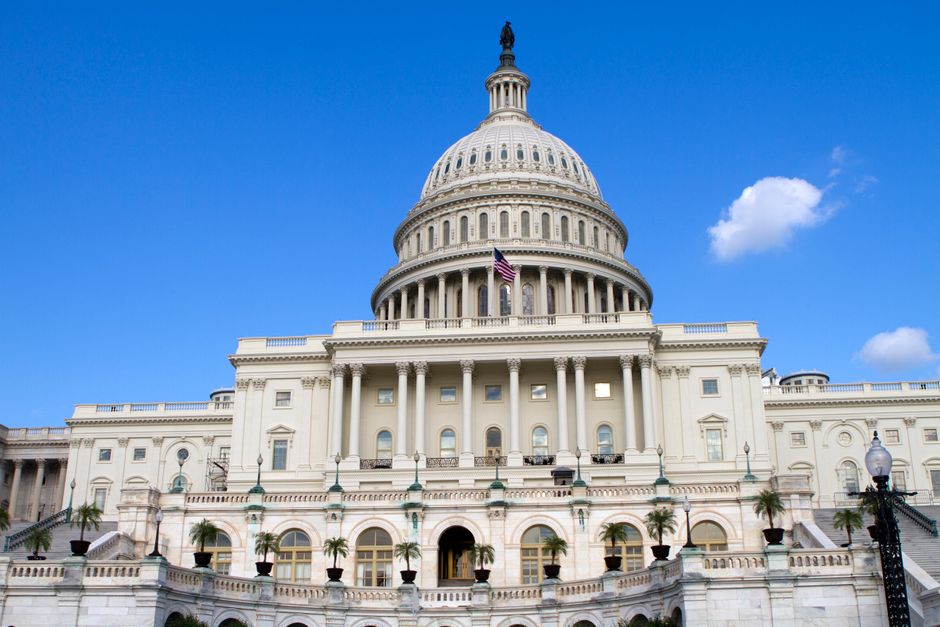
A Republican-only budget maneuver — with no offsetting cuts — tests fiscal conservative unity ahead of midterm elections and sets up a direct confrontation with Senate Democrats.
The House of Representatives passed a $95 billion Republican-authored budget proposal Wednesday on a party-line vote, according to reporting by the New York Post (July 22, 2026). The measure is designed to fund ongoing U.S. military operations tied to the Iran conflict and additional White House spending priorities identified by the Trump administration. The vote advanced despite objections from all House Democrats and a subset of Republican members who raised concerns over the absence of any offsetting budget cuts.
Speaker Mike Johnson (R-LA) proceeded with the floor vote after determining that a go-it-alone legislative approach represented the most viable path for advancing the administration's fiscal agenda before the 2026 midterm elections, per the New York Post account. The specific vote tally — including the number of Republican defections — had not been published in full at the time of this report. The Congressional Record for the 119th Congress, Second Session, dated July 22, 2026, would contain the complete roll call.
Conservative opposition centered on the lack of pay-fors: under House budget rules and the statutory pay-as-you-go framework, new discretionary spending is generally expected to be offset by reductions elsewhere or by new revenue. No such offsets are identified in publicly available summaries of the proposal. The full legislative text, including any applicable budget point-of-order waivers, would be available through Congress.gov upon engrossment.
The $95 billion figure places the proposal in a spending tier comparable to prior emergency supplemental packages. For context, the 2024 foreign-military supplemental signed in April 2024 totaled approximately $95.3 billion (Public Law 118-50), though the current bill's specific programmatic allocations differ and remain only partially detailed in published reporting. The appropriations subcommittee report accompanying the current measure, which would itemize spending by account, is not yet publicly posted as of this writing.
The legislation now faces an uncertain path in the Senate, where Democratic members have indicated opposition and where 60 votes are required to invoke cloture under current Senate rules, unless Republican leadership pursues reconciliation or another procedural vehicle. Whether the Senate will take up the measure, and under what process, is not yet determined. The Senate legislative calendar and any procedural motions filed by Majority Leader John Thune (R-SD) would be the primary public records to monitor. What remains unknown: the precise roll call breakdown, the full programmatic spending schedule, and whether the White House has issued a formal Statement of Administration Policy in support of the bill.