Drone Attacks Hit Saudi Arabia After U.S. Suspends Iran Strike Campaign
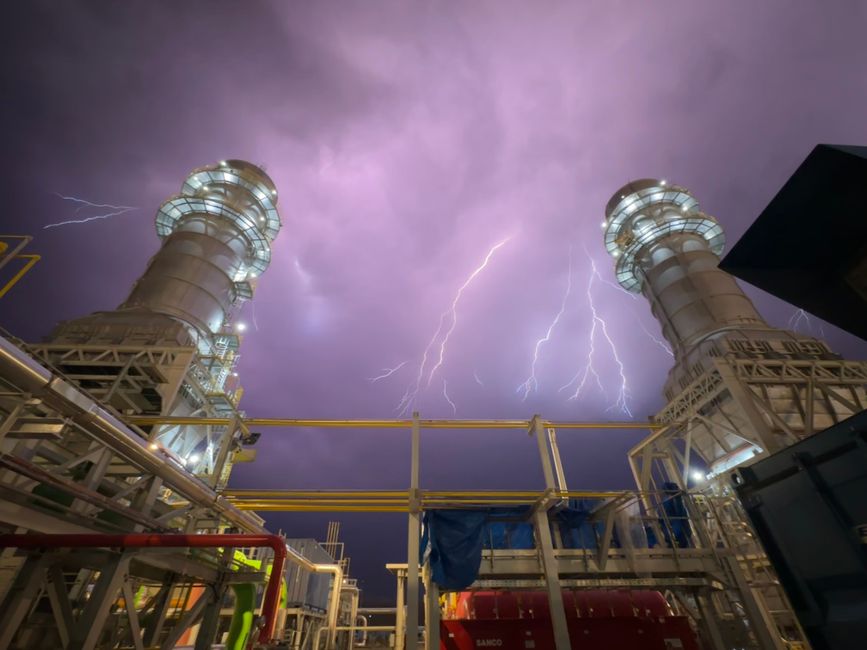
The timing of coordinated drone strikes on Saudi petroleum infrastructure, two days after a U.S. suspension of airstrikes against Iran, raises questions about the durability of American deterrence...
Saudi Arabia reported intercepting multiple drones targeting petroleum infrastructure — including facilities in its eastern province and in the capital Riyadh — on July 25, 2026, according to a statement from Saudi authorities cited by the New York Post. The attacks occurred two days after the United States suspended a two-week campaign of airstrikes against Iran, per the same report. Saudi officials attributed the drone launches to an Iran-backed militia operating from Iraqi territory and stated that Saudi Arabia reserves the right to respond.
Jordan and Iraq also reported drone activity on the same day, according to the New York Post report. The scope of the reported incidents — spanning three countries — suggests coordinated operational activity, though independent confirmation of attack origins from U.S. government sources has not been publicly issued as of July 27, 2026. The U.S. Department of Defense had not released a public statement on the drone incidents at the time of publication.
The U.S. suspension of the Iran airstrike campaign represents a direct shift in American military posture. The White House has not publicly detailed the conditions under which the suspension was ordered or the criteria for resumption. Congressional oversight of that decision would fall under the War Powers Resolution (50 U.S.C. §1541 et seq.), which requires the President to notify Congress within 48 hours of committing armed forces to hostilities. Whether a formal notification was submitted to Congress is not confirmed in publicly available congressional records as of this writing.
The eastern province of Saudi Arabia is home to critical oil processing infrastructure, including facilities operated by Saudi Aramco, which is a publicly reported fact based on the company's own disclosures. Attacks on petroleum infrastructure in that region have direct implications for global oil markets and, by extension, U.S. economic policy, given American energy market exposure. The specific facilities targeted in the July 25 incident have not been identified in publicly available damage assessments.
Several key facts remain unknown. It is not publicly confirmed whether the U.S. intelligence community has independently verified the militia responsible for the launches. The full terms of the U.S. airstrike suspension — including whether it was unilateral or negotiated — have not been disclosed in public White House or State Department records. A formal War Powers notification to Congress, if filed, would be available through the Congressional Record or the House Foreign Affairs Committee. A State Department press briefing transcript or a DoD press release would be the primary public documents that could answer what U.S. officials knew about the attacks and when.