Senate Advances Government Funding Plan to Avoid Pre-Midterm Shutdown
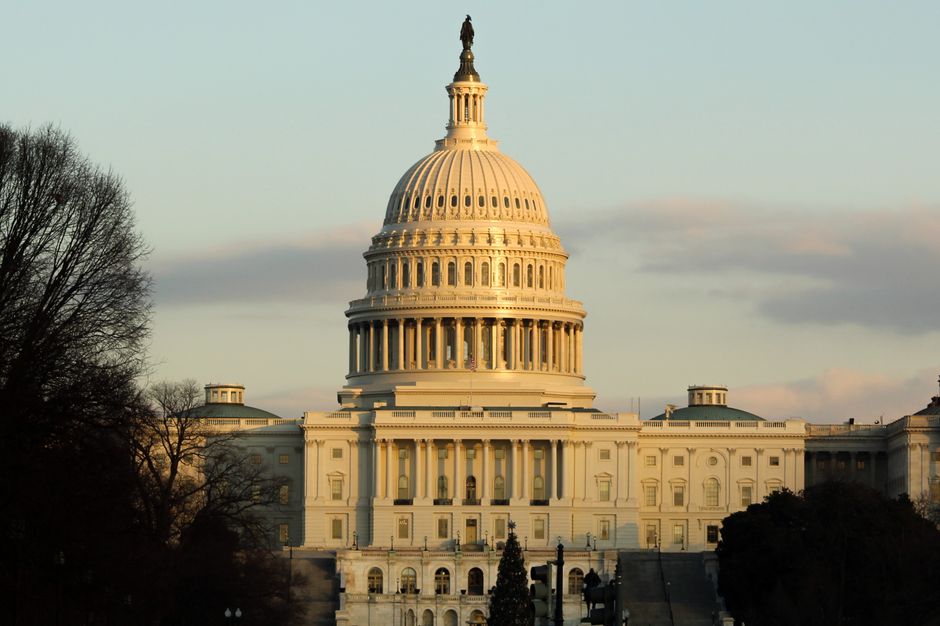
With federal funding set to lapse, the Senate's procedural move signals bipartisan pressure to prevent a government closure in an election-year environment — though the specific funding levels and...
The U.S. Senate moved forward with a government funding measure aimed at keeping federal agencies operational through the midterm election period, according to a CBS News report dated August 3, 2026. The chamber's procedural advance indicates leadership in both parties has reached sufficient agreement to bring a continuing resolution or short-term appropriations vehicle to the floor, though the text of the legislation and its vote tally had not been published in the Congressional Record at time of publication.
Government funding lapses occur when Congress fails to pass appropriations bills or a continuing resolution before an existing funding deadline. Under the Antideficiency Act (31 U.S.C. § 1341), federal agencies must cease non-essential operations during a lapse, furloughing non-emergency personnel. The fiscal and political consequences of a shutdown in the weeks before a federal election have historically accelerated congressional action on short-term funding vehicles.
The Senate's specific procedural vehicle — whether a cloture motion, a unanimous consent agreement, or a motion to proceed — was not identified in available public reporting as of publication. The full bill text, once introduced or substituted, would be accessible via Congress.gov, and any roll call vote would appear in the Senate Journal and Congressional Record. The House's position on the measure, including whether it has passed companion legislation or would accept the Senate version under a House rule, is not yet reflected in available public documents.
Funding legislation of this type frequently carries policy riders — provisions unrelated to appropriations that sponsors attach to must-pass vehicles. Whether the current measure includes riders on defense spending, domestic programs, or regulatory policy is not determinable from available reporting. The full enrolled bill text, once published by the Government Publishing Office, would disclose all attached provisions and their budget scores from the Congressional Budget Office.
What remains unknown: the specific dollar figures in the continuing resolution, the duration of the funding extension, the list of senators who voted to advance the measure, and whether the White House has indicated it will sign or veto the bill. The Senate roll call vote record, the bill's official CBO cost estimate, and any White House Statement of Administration Policy would answer these questions and will be published in public federal records upon completion.