Kentucky Governor Orders Data Centers to Disclose Ratepayer Cost Impact
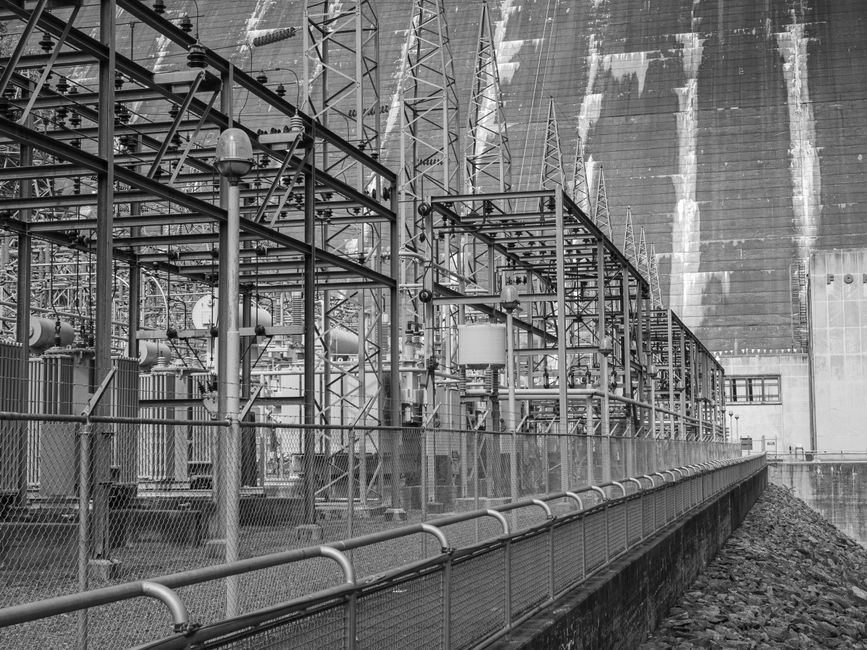
As AI infrastructure demand accelerates across the country, state executives are increasingly using executive authority to impose disclosure requirements on energy-intensive data center operators...
Kentucky Governor Andy Beshear (D) signed an executive order on August 6, 2026, requiring data center operators to demonstrate that their facilities will not increase electricity costs for Kentucky ratepayers, according to reporting by the Washington Examiner citing the governor's office. The order places the burden of proof on data center developers before they can secure utility agreements with state-regulated power providers.
Data centers supporting artificial intelligence workloads require substantial electricity and water for power and cooling operations. Industry analysts and utility commissions in multiple states have flagged concerns that large-scale data center load additions can drive up baseline electricity rates for residential and commercial customers who do not directly benefit from the facilities. The specific methodology Kentucky will use to evaluate ratepayer impact under the executive order has not been publicly released as of this publication's deadline; the full text of the executive order, which would detail those standards, is the document that would resolve that question.
Beshear's action follows similar moves by governors in other states. According to the Washington Examiner's reporting, data center regulation has become a visible element of the 2026 political cycle, with elected officials at the state level responding to constituent concerns about utility rate increases. No federal legislation specifically governing data center energy cost allocation has been enacted as of August 2026, though the issue has appeared in congressional hearings before the Senate Energy and Natural Resources Committee and the House Energy and Commerce Committee.
The executive order carries potential implications for federal energy policy. The Department of Energy has allocated funding under the Inflation Reduction Act and the Infrastructure Investment and Jobs Act for grid modernization and clean energy, portions of which can interact with state-level utility regulation. Whether Kentucky's new disclosure requirement will affect any federally supported energy projects in the state is not established in current public records; filings with the Federal Energy Regulatory Commission or the Kentucky Public Service Commission would be the documents most likely to clarify that question.
What remains unknown as of publication: the full text of the executive order, the specific data center operators currently operating or under development in Kentucky that would be subject to the order, and whether the Beshear administration has referred any related matters to the Kentucky Public Service Commission for formal rulemaking. The governor's official executive order registry and Kentucky Public Service Commission docket filings are the public records that would answer those questions.