The Capacity Question Isn't Partisan. The Data Isn't Either.
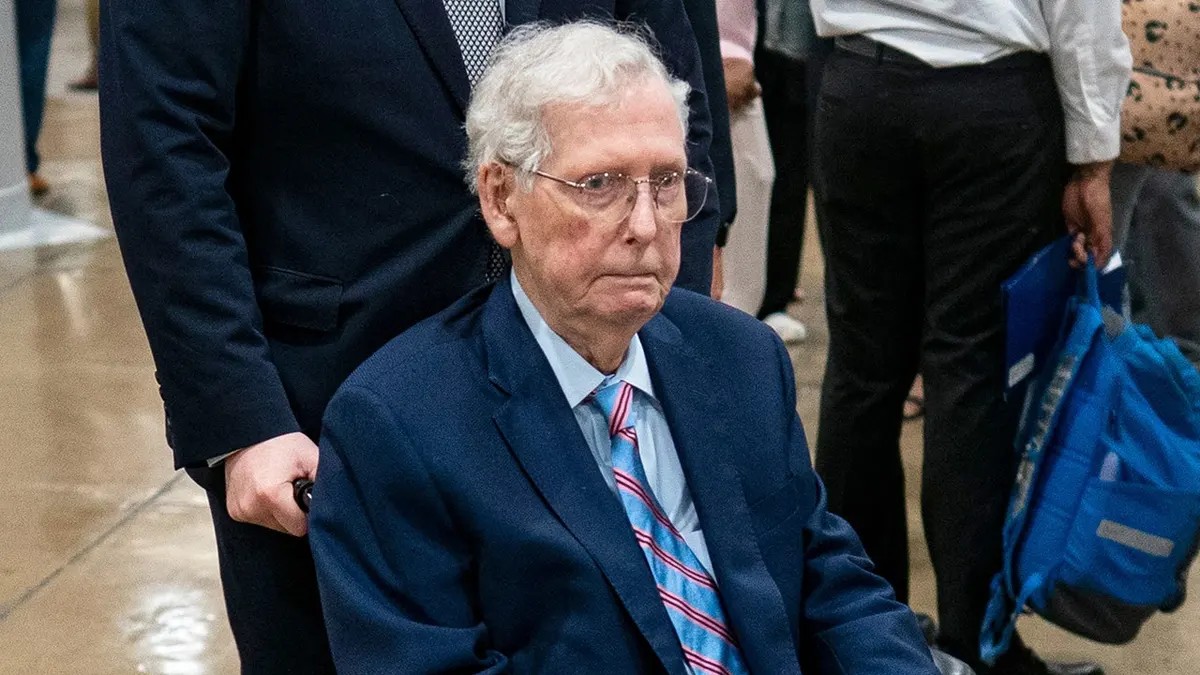
Three sitting members of Congress, one Republican and two Democrats, are each testing how the institution handles age, health, and the ability to do the job. The numbers on all three are public...
Mitch McConnell has not cast a Senate vote since June 11, 2026. The 84-year-old Kentucky Republican was hospitalized on June 14 and remained there for more than three weeks before his office confirmed he had suffered a fall, according to reporting from the Washington Post and CNBC. McConnell, who is not seeking reelection when his term ends in January 2027, told reporters in early July he intends to finish both his Senate term and his recovery on his own timeline. His absence has coincided with a stalled Appropriations Committee agenda in a Senate that Republicans control by a narrow margin.
Maxine Waters, 87, is seeking her 19th term representing California's 43rd District. According to GovTrack's voting record analysis, Waters has missed 6.7% of House roll call votes over her career, nearly three and a half times the 2.0% median among currently serving representatives. If Democrats retake the House in the 2026 midterms, Waters is positioned to chair the House Financial Services Committee, a panel with direct oversight of financial technology and cryptocurrency policy. Asked by Politico to address concerns about her age, Waters responded that her energy and focus remain intact.
John Fetterman, at 56, is the youngest of the three and the clearest illustration that this is a capacity question, not simply an age question. Fetterman suffered a stroke during his 2022 Senate campaign and was later hospitalized for clinical depression during his first year in office, developments that were extensively reported at the time. Per GovTrack's voting data, Fetterman has missed 12.9% of Senate roll call votes since 2023, more than four and a half times the 2.8% median for senators currently serving.
None of these three records, on its own, proves incapacity. Missed votes can reflect medical leave, family circumstances, or legitimate absences unrelated to fitness for office. What the data shows is narrower and more verifiable: three members of Congress, spanning both parties and a 31-year age range, are each missing votes at multiples of their chamber's median, for reasons that are either partly disclosed, publicly reported, or still unexplained.
The current Congress is the third-oldest in U.S. history, according to an NBC News analysis, with an average member age of 58.9 against a national median age of 39.1. Proposals to impose age limits or mandatory competency reviews on federal officeholders have been introduced in recent sessions and have not advanced to a floor vote in either chamber, according to the Congressional Record. Whether that changes is a question for voters and for Congress itself, not for any single data point.
What remains unknown: the specific nature and expected duration of McConnell's recovery, whether Waters's missed-vote rate reflects a pattern that would affect a committee chairmanship, and whether Fetterman's missed-vote rate is trending up or down since his hospitalization. Each office's own statements, and any future voting record data from GovTrack or Congress.gov, would be the primary sources capable of answering those questions as they develop.