Senate Permitting Reform Vote Pushed Past November Election, Democrat Says
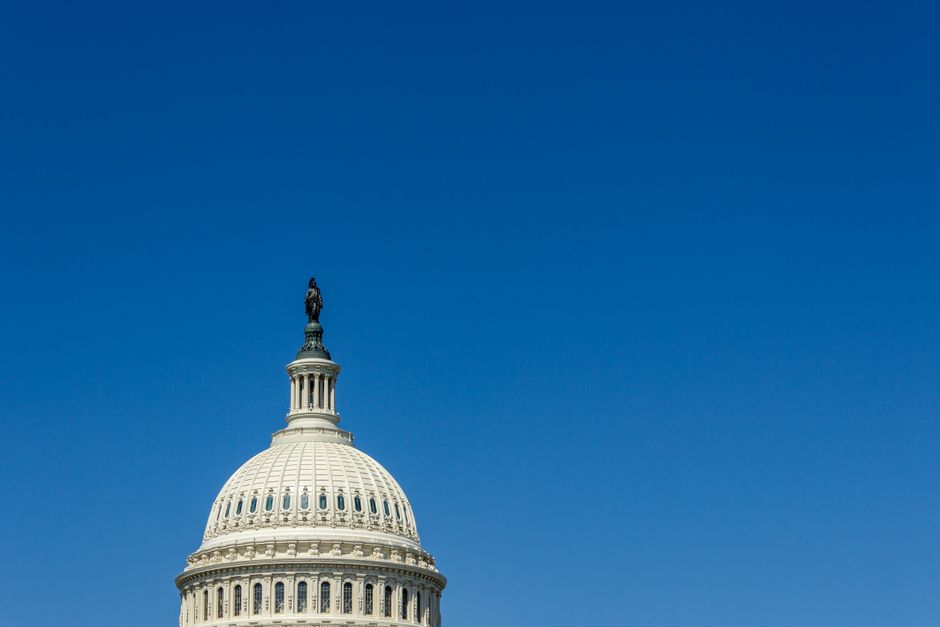
The delay leaves energy and infrastructure developers without a legislative timeline, extending a regulatory standoff that both parties have cited as a drag on domestic construction.
Senator Sheldon Whitehouse (D-RI), identified by Bloomberg News as a top Democratic negotiator on federal permitting legislation, stated Thursday that a Senate floor vote on permitting reform is unlikely to occur before the November 2026 election. Bloomberg News reported the statement on September 24, 2026.
The legislation under negotiation is designed to accelerate federal permit approvals for major energy and infrastructure projects. Permitting reform has been a recurring legislative priority across multiple Congresses, with advocates arguing that current review timelines add years and significant costs to project development.
According to a Fox News opinion piece published September 24, 2026, permitting delays for major projects average more than two years and impose costs of millions of dollars per project, with the burden falling disproportionately on smaller manufacturers and defense-related startups. The piece did not cite a specific government data source for those averages, and the underlying federal data would be found in reports published by the Council on Environmental Quality, which tracks National Environmental Policy Act review timelines.
The National Environmental Policy Act, enacted in 1970, requires federal agencies to assess the environmental impact of major federal actions. Critics from both parties have argued that the review process has expanded well beyond its original scope. Republican lawmakers have pushed for statutory caps on review timelines. Democratic negotiators, including Whitehouse, have pursued reforms that also accelerate permitting for renewable energy projects.
The legislative effort gained momentum in 2022 when Senator Joe Manchin (D-WV, at the time) sought a permitting deal as part of broader energy negotiations. That effort stalled in September 2022 when Senate Majority Leader Chuck Schumer pulled the measure from an unrelated continuing resolution after it failed to secure the votes needed for passage, according to contemporaneous congressional records.
Subsequent Congresses have seen renewed bipartisan negotiations. The Senate Energy and Natural Resources Committee, chaired at various points by members of both parties, has held hearings on permitting streamlining. Committee hearing records are publicly available through the Senate's official website.
Whitehouse's September 24 statement does not specify which provisions remain unresolved or which senators are blocking final agreement. The substance of current negotiations, including whether the bill addresses only environmental reviews or also transmission line siting and water permits, is not detailed in the available source material. The full negotiating text, if introduced as a bill, would be publicly available through Congress.gov.
The November 2026 midterm elections introduce procedural uncertainty. If Senate control shifts following the election, the current negotiating coalition and the balance of priorities within the legislation could change. Committee assignments and leadership posts are determined by the majority party following each election, per Senate rules.
Defense contractors and domestic manufacturers have separately lobbied for permitting relief, arguing that delays affect the capacity to build facilities for semiconductor production and defense supply chain components. Lobbying disclosures related to permitting reform are filed quarterly with the Senate Office of Public Records under the Lobbying Disclosure Act and are searchable at lda.senate.gov.
What remains unknown is the specific timeline Whitehouse and Republican counterparts are targeting for a post-election vote, which senators are holding out and on what provisions, and whether a lame-duck session vote is under consideration. A bill text introduced or filed in the Senate would answer the substantive questions about scope; a floor schedule from the Senate Majority Leader's office would answer the timing question.