Fed Chair Warsh Signals No Rate Hike This Month as Inflation Persists
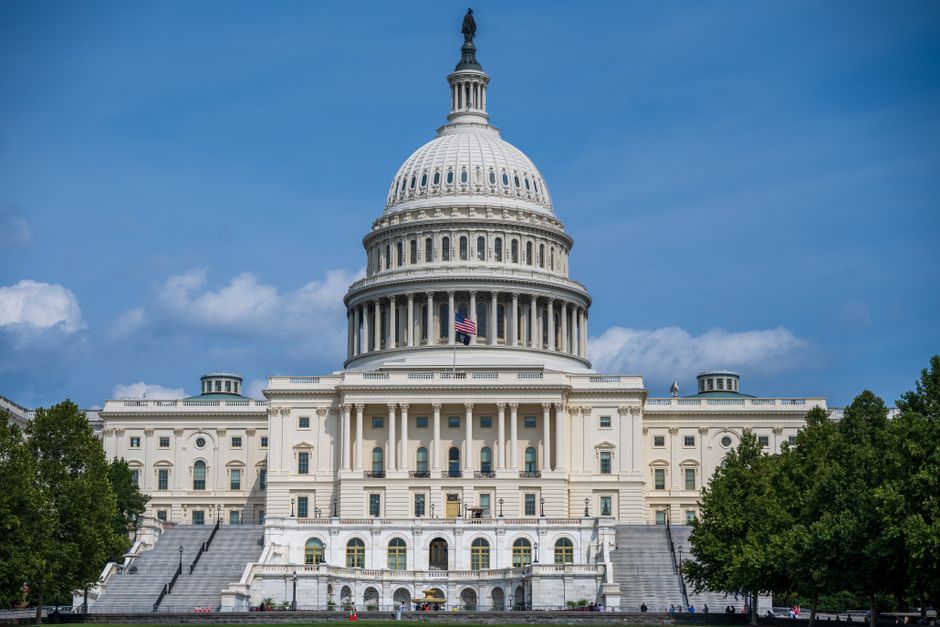
With borrowing costs already elevated and inflation still above target, the Fed faces a narrowing window between holding rates steady and losing credibility on price stability.
Federal Reserve Chairman Kevin Warsh indicated this week that he does not intend to push for a rate increase at the central bank's October meeting, according to reporting by The New York Times. The signal offers temporary relief to credit markets but leaves unresolved the question of how long the Fed can hold its current posture if inflation remains above its 2 percent target.
Warsh, who was confirmed as Fed chairman earlier this year, has taken a cautious approach to rate adjustments since assuming the role. His statement this month does not rule out future increases. The Times report noted that persistent inflation may ultimately force the Fed's hand, though the specific timeline for any such decision remains unknown. What would clarify that timeline is the next Consumer Price Index release and the Fed's preferred measure, the Personal Consumption Expenditures price index.
The Fed's benchmark federal funds rate has been held at its current level through several consecutive meetings. The central bank raised rates aggressively between 2022 and 2023 to combat inflation that peaked above 9 percent in June 2022, according to Bureau of Labor Statistics records. The rate-hiking cycle that followed brought the federal funds rate to a range of 5.25 to 5.50 percent by mid-2023, a 23-year high at the time.
Subsequent cuts in late 2024 and early 2025 brought rates down from that peak, but inflation has not fully returned to the Fed's 2 percent target. The degree of the current gap between actual inflation and the target is not specified in publicly available Fed statements reviewed for this report. The next scheduled Federal Open Market Committee meeting will produce a policy decision and updated Summary of Economic Projections, both of which would provide more precise guidance.
Warsh's posture this month contrasts with the stance of some Fed officials who have argued in recent speeches that the central bank cannot afford to signal excessive patience. Fed Governor Michelle Bowman, for instance, has previously stated in public remarks that upside inflation risks remain a concern warranting close attention, according to transcripts published on the Federal Reserve's official website.
The bond market has responded to uncertainty around Fed timing. Yields on the 10-year Treasury note have remained elevated relative to their 2021 lows, reflecting investor expectations that rates will stay higher for longer. The precise yield level as of today's date, October 16, 2026, was not confirmed in the source material reviewed, and real-time Treasury data from the U.S. Department of the Treasury would be required to state a specific figure.
For US consumers, the practical effect of held rates is continued pressure on mortgage costs, auto loans, and credit card interest rates. The average 30-year fixed mortgage rate has tracked above 6 percent for an extended period, according to data published weekly by Freddie Mac in its Primary Mortgage Market Survey. A rate hold rather than a cut means those borrowing costs do not ease in the near term.
For US businesses, the cost of capital remains a constraint on investment and expansion. Companies with variable-rate debt, or those seeking to refinance, face higher interest burdens than they would in a lower-rate environment. The effect is uneven across sectors: capital-intensive industries such as utilities, real estate, and manufacturing are more exposed than cash-heavy technology firms.
Retail sales data released earlier this month offered one counterweight to recession concerns. September retail sales rose 0.8 percent, exceeding forecasts, according to prior coverage by The Congressional Times. That figure suggests consumer spending has not yet contracted sharply in response to elevated borrowing costs, which may give the Fed additional room to hold rates without triggering a sharp economic downturn.
The Fed's next scheduled policy meeting is set for later this month. The FOMC statement and any press conference by Chairman Warsh will be the primary sources confirming whether October ends with another hold or a policy change. Market participants will watch both the statement language and the vote tally among committee members for signs of internal disagreement over the path forward.