Congressional Staff Exposed to Suspicious Substances in Mailed Letters
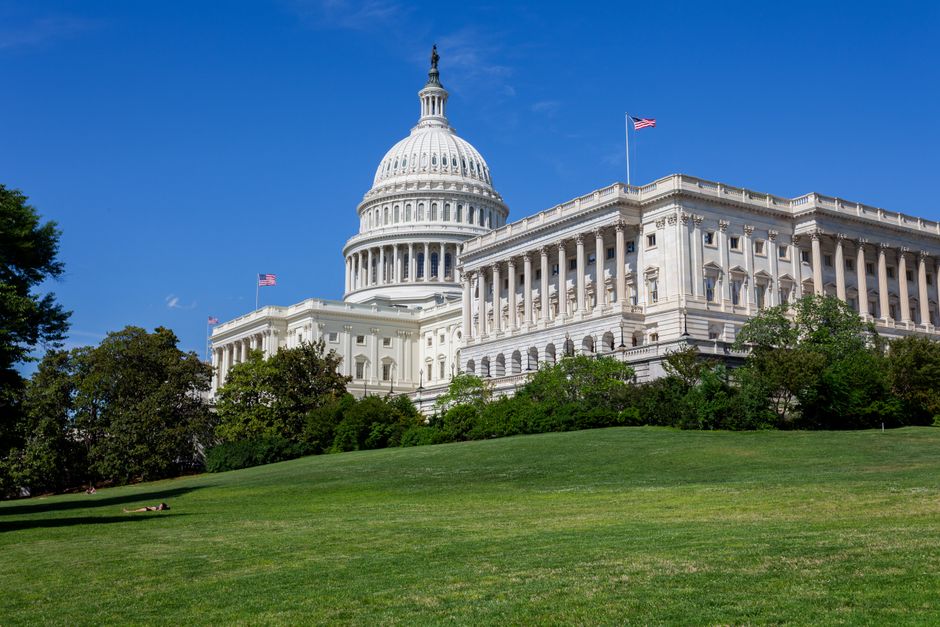
The incidents add a physical security dimension to an already documented pattern of threats against election-adjacent officials in the weeks before the 2026 midterms.
Congressional staff members opened letters containing suspicious substances beginning Thursday, October 16, 2026, according to reporting by The New York Times. The Times reported multiple incidents and noted that election officials across the country have separately documented a growing number of threats directed at them in the same period.
The Capitol Police, which holds jurisdiction over physical security incidents within congressional offices, is the law enforcement body that would hold primary records on these events. As of publication, no Capitol Police press release or formal incident report had been made publicly available identifying the offices targeted, the nature of the substances, or the geographic origin of the mailings.
The FBI also has jurisdiction over mailed threats to federal officials under 18 U.S.C. Section 876, which makes it a federal crime to mail threatening communications. Whether FBI field offices have opened cases connected to these specific letters is not yet confirmed in any public record. A Freedom of Information Act request to the FBI or Capitol Police would be the appropriate mechanism for obtaining that information.
Congress has been the target of mailed substance threats before. In 2001, letters containing anthrax spores were sent to the offices of then-Senate Majority Leader Tom Daschle (D-SD) and then-Senator Patrick Leahy (D-VT), killing two postal workers and injuring others. That investigation, known as Amerithrax, was formally closed by the FBI in 2010 after the agency concluded that Bruce Ivins, a government biodefense researcher, was responsible. Ivins died in 2008.
In 2018, ricin was detected in a letter addressed to the White House and in letters sent to the Pentagon. In 2020, a package containing ricin addressed to President Donald Trump was intercepted at a mail processing facility. Federal charges were filed in that case in the U.S. District Court for the Western District of New York. These cases establish a pattern of mail-based threats to federal institutions that law enforcement agencies have treated as requiring immediate hazmat and criminal response.
The current incidents occurred against a backdrop of documented threats to election infrastructure. The nonpartisan organization Protect Democracy and the Brennan Center for Justice have both published reports in 2025 and 2026 cataloging increased threats against local election officials. The bipartisan Electoral Count Reform Act, signed into law in December 2022, acknowledged the vulnerability of election administration in its legislative findings.
The U.S. Capitol is served by its own hazmat response teams, which coordinate with the Capitol Police and the Washington, D.C. Fire and Emergency Medical Services Department. Standard protocol requires that any office receiving a suspicious letter seal the room, avoid further handling of the material, and contact the Capitol Police Operations Center. Whether those protocols were followed in these specific incidents has not been confirmed in any public statement.
No member of Congress had issued a floor statement, press release, or social media post as of publication identifying their office as one of those targeted. The congressional record, accessible through Congress.gov, would reflect any floor statements made after this story's publication.
It is not yet known how many letters were involved, which party's offices were targeted, which states the targeted offices represent, or what the substances were ultimately determined to be. The Capitol Police daily activity log and any subsequent criminal complaints filed in U.S. District Court for the District of Columbia would be the primary public records that could answer those questions.